The short answer
The best months to climb Kilimanjaro are January to mid-March and June to October — Tanzania's two dry seasons, with the clearest skies and most comfortable trekking. You can climb year-round, but the long rains (late March–May) and short rains (November) make for wetter, quieter, cheaper climbs.
Kilimanjaro is climbable every month of the year, but your experience changes a lot with the seasons. The mountain has two dry windows that are far more comfortable and reliable, and two rainy spells that are wetter and harder but quieter and cheaper. Here's how to pick your month.
Plan your climb dates →The two best windows
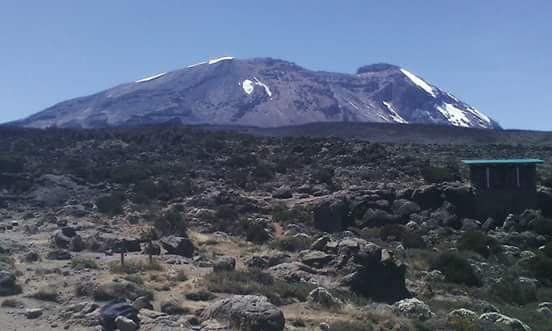
There are two prime seasons. January to mid-March is warmer and generally clear, often with fewer climbers than the mid-year peak and a good chance of fresh snow up high. June to October is the long dry season — the busiest and most reliable window, with cool, clear conditions ideal for trekking.
Both deliver the two things that make a climb enjoyable: stable weather and big views. If you have flexibility, these are the months to target.
| Period | Conditions | Verdict |
|---|---|---|
| Jan – mid-Mar | Warm, mostly clear, possible snow up high | Excellent — quieter peak |
| Late Mar – May | Long rains: wet, muddy, cloudy | Avoid if you can |
| Jun – Oct | Dry season: cool and clear | Best & most reliable |
| November | Short rains: showery, variable | Quiet & cheaper, but wetter |
| December | Improving, festive-season busy | Good, book ahead |
Climbing in the rains
You can still summit during the rainy months, and some people like the solitude and lower prices. But expect muddier trails, slippery rock, more cloud and fewer views. If you go, lean toward routes that approach from the drier northern side, like Rongai, which sees less rain.
Tip
Whatever the season, summit night is below freezing year-round. Good cold-weather gear matters every month — see our packing guide.
Got a question while you read? Ombeni answers personally — usually within a few hours.
Plan your climb dates →Should you climb at full moon?
Summit night happens in the dark, so a full moon lights up the glaciers and the path beautifully and is a popular choice. The trade-off is that full-moon dates are busier and book up early. A clear, moonless night, on the other hand, gives extraordinary stars on the way up. Neither is 'better' — it's a preference, and we can time your climb for either.
When to book
For the peak windows — especially June to October and around the December holidays — book well ahead to secure your dates and crew. If you're flexible, tell us the rough time of year and we'll suggest the best-value departure.
Frequently Asked Questions
Ready to take the next step?
Plan your climb dates →