The short answer
Kilimanjaro is a 5,895 m walk-up — no ropes or technical climbing — but it is a serious high-altitude trek. The people who summit aren't the fittest; they're the ones who give their body enough days to acclimatize, on a well-supported route, in the right season. Get those four things right and the mountain is within reach for most reasonably fit travellers.
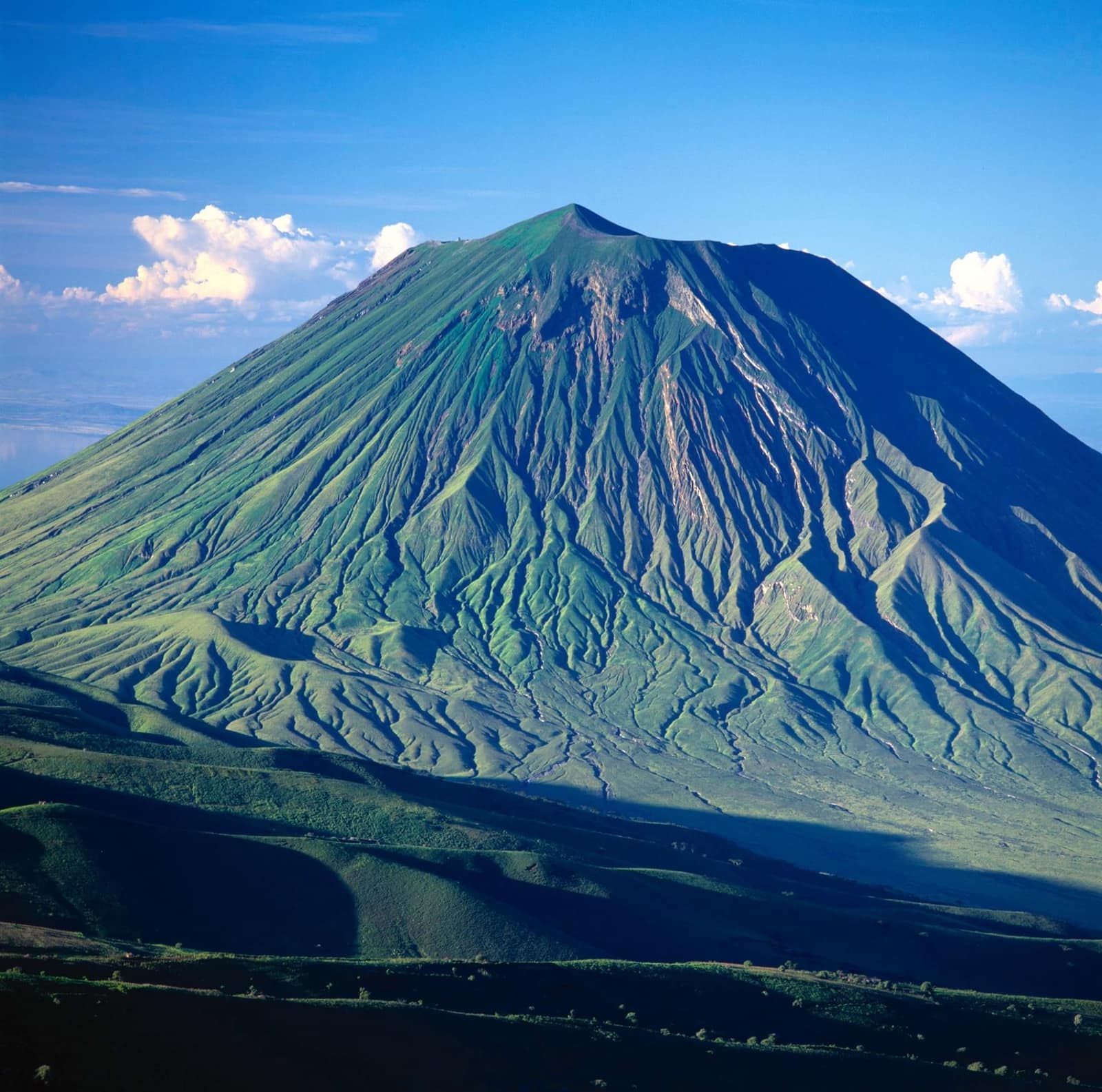
Mount Kilimanjaro is the highest mountain in Africa and the tallest free-standing mountain on Earth, rising straight off the plains of northern Tanzania to 5,895 m. You don't need ropes, crampons or climbing experience to reach the top — it's a walk, not a technical climb. What you do need is a smart plan. This guide walks you through the five things that decide your climb, in the order you'll actually think about them: how the mountain works, how to choose a route, why acclimatization matters more than fitness, what summit night is really like, and what it costs to do it properly.
Compare all Kilimanjaro routes →Kilimanjaro in one minute
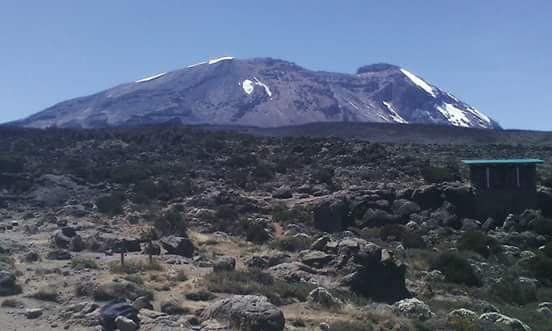
Kilimanjaro sits just south of the equator near the town of Moshi, in Tanzania. It's a dormant volcano with three cones — Kibo (the one you summit), Mawenzi and Shira — and the true summit, Uhuru Peak, sits on Kibo's crater rim at 5,895 m above sea level.
Because there's no technical climbing, success is almost entirely about altitude. The air at the summit holds roughly half the oxygen you breathe at sea level, and how well you cope depends on how slowly you go up. That single idea — go slowly, give your body time — runs through every decision on this page.
Good to know
There are seven established routes up Kilimanjaro, but most travellers climb one of four: Machame, Lemosho, Marangu or the Northern Circuit. We'll compare them below.
Five climates in one climb
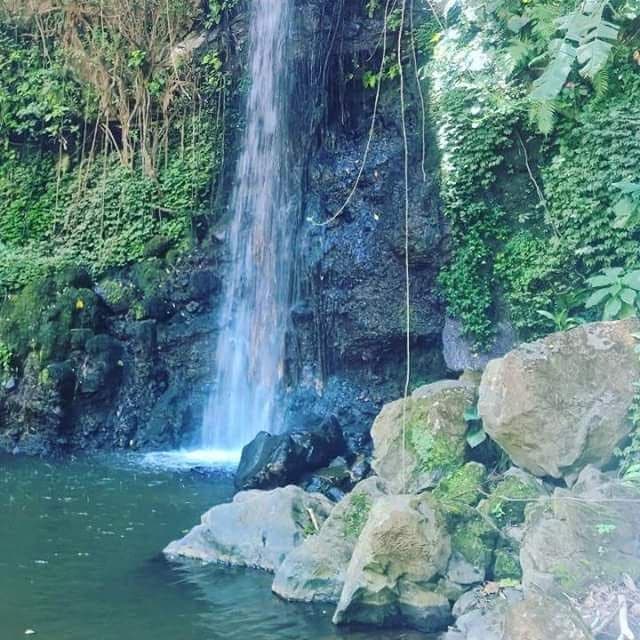
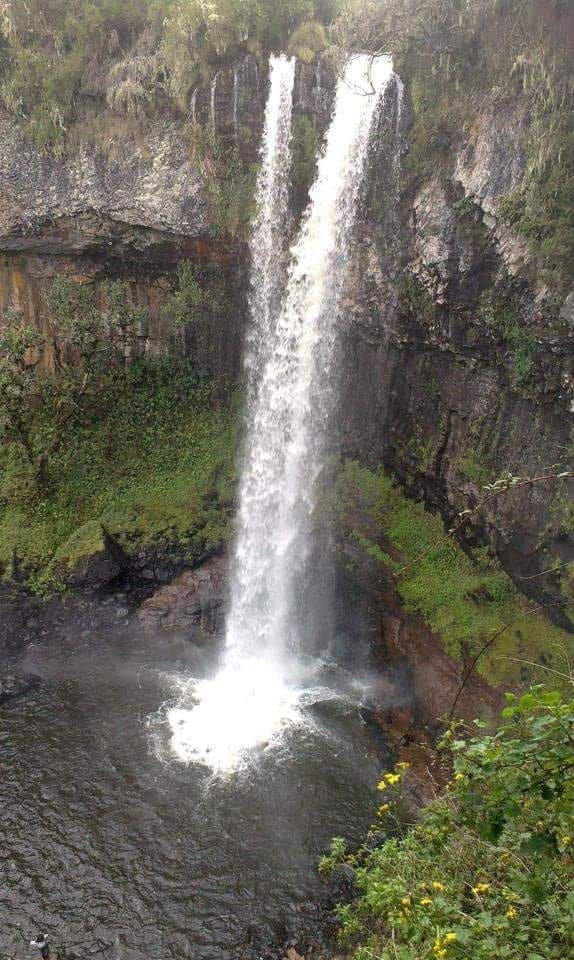
One of the strange joys of Kilimanjaro is that you walk through five distinct ecological zones on the way up — the equivalent of travelling from the equator to the Arctic in under a week. You start in farmland and rainforest, pass through heath and moorland, cross a high-altitude desert, and finish on a glaciated arctic summit.
Each zone gets thinner, colder and drier than the last. Packing for the climb means packing for all of them at once, from humid jungle to sub-zero summit night.
Over a few days you walk from farmland and rainforest, through alpine moorland and high-altitude desert, to an arctic summit — climates that would take a continent's worth of latitude to cross at sea level.
How many days do you need?
Climbs run from five to nine days. The number of days is really a measure of how much time you give your body to acclimatize — and it's the strongest predictor of whether you'll summit. Five-day climbs have the lowest success rates; eight- and nine-day climbs have the highest.
Our honest recommendation for most people is seven days or more. The extra day or two costs more and means more hiking, but it dramatically improves both your odds and your enjoyment.
- ›5–6 days — budget and time-saving, but a real risk of altitude sickness and turning back
- ›7 days — the sweet spot on routes like Machame; strong success rates
- ›8–9 days — the best acclimatization (Lemosho, Northern Circuit) and the highest success rates
Choosing your route
Routes differ in length, scenery, how busy they are, and — most importantly — how well they let you acclimatize. Here's how the four most popular routes compare.
| Route | Days | Acclimatization | Scenery | Crowds | Best for |
|---|---|---|---|---|---|
| Marangu | 5–6 | Lower | Good | Busy | Huts, not tents; tighter budgets |
| Machame | 6–7 | Very good | Excellent | Busy | First-timers wanting the classic climb |
| Lemosho | 7–8 | Excellent | Excellent | Quieter | Best balance of success and scenery |
| Northern Circuit | 8–9 | Best | Excellent | Quietest | Highest success; time to spare |
Hut route · there-and-back
Scenic · climb-high-sleep-low
Excellent acclimatization
Longest · highest success
More days on the mountain means a gentler, more gradual ascent profile — the single biggest driver of acclimatization and summit success.
Got a question while you read? Ombeni answers personally — usually within a few hours.
Compare all Kilimanjaro routes →Why acclimatization beats fitness
This is the part most first-timers get backwards. Fitness helps you enjoy the walk and recover each day, but it does not protect you from altitude sickness — strong, young, fit climbers turn back every week because they went up too fast.
Good routes are built around a principle called 'climb high, sleep low': you hike up to a high point during the day, then descend to sleep at a lower altitude. Each high point tells your body to adapt; each lower night lets it recover. Do this over enough days and your body quietly builds the extra red blood cells it needs.
The trail repeatedly climbs to a high point, then drops to a lower camp to sleep. Each peak nudges your body to adapt; each lower night lets it recover — so the overall trend rises while you acclimatize.
Tip
The guides' mantra is 'pole pole' — Swahili for 'slowly, slowly'. Walking frustratingly slowly on the lower days is not laziness; it's the single most effective thing you can do to summit.
Summit night, honestly
Summit night is the hardest part of the climb and worth understanding before you commit. You'll typically be woken around 11 pm, and set off by headtorch into the cold and dark so that you reach the crater rim around sunrise. It's six or seven hours of slow, steep switchbacks in temperatures that can fall well below freezing, on the least oxygen of the whole trip.
Then the sky lightens, you reach Stella Point on the rim, and a final gentle hour along the crater brings you to Uhuru Peak — the highest point in Africa. After photos, you descend the same day to a lower camp, because the best cure for altitude is to lose height.
- ≈ 23:30 — Leave Barafu Camp4,673 m
- Pre-dawn — Switchbacks by headtorch5,000+ m
- Sunrise — Stella Point on the crater rim5,756 m
- Morning — Uhuru Peak — the summit5,895 m
- Midday — Long descent to a lower camp↓ 3,100 m
You set off around midnight so you reach the crater rim for sunrise. It's the hardest stretch of the whole climb — cold, dark and slow — which is exactly why the extra acclimatization days matter.
How fit do you need to be?
You don't need to be an athlete, but you should be comfortable hiking for six to eight hours on consecutive days. The best preparation is simply walking — long, hilly day-hikes with a daypack, ideally back-to-back on weekends, in the months before your climb.
If you can do a full day on the hills, sleep, and get up and do it again without dreading it, you're in good shape for Kilimanjaro. We cover this in detail in our training guide.
What it costs — and why very cheap is a red flag
A properly run Kilimanjaro climb is not cheap, because a lot of it is fixed: national park fees, a full crew of guides, porters and cooks, quality tents and food, and safety equipment. Our climbs start from $1,580 per person, with the exact price depending on the route, the number of days and your group size.
Be wary of bargain-basement prices. The savings almost always come out of the parts you can't see — underpaid and overloaded porters, skimped food, fewer days, or thinner safety margins. On a high-altitude mountain, those are exactly the wrong corners to cut.
| Done properly | Suspiciously cheap | |
|---|---|---|
| Days on the mountain | 7+ for good acclimatization | 5 to cut cost |
| Crew | Licensed guides, fair porter loads & pay | Overloaded, underpaid porters |
| Safety | Daily health checks, oxygen, evacuation plan | Little or none |
| Food & gear | Hot meals, quality 4-season tents | Minimal, worn equipment |
When to climb
Kilimanjaro can be climbed year-round, but the two dry seasons are far more comfortable and reliable: January to mid-March, and June to October. These months bring clearer skies, better views and easier trails.
The long rains (late March to May) and the short rains (November) mean wetter, muddier trekking and more cloud — quieter and cheaper, but harder going. We break this down month by month in our 'best time to climb' guide.
Climbing with Trust Tours
We're a small, licensed operator based in Arusha (TALA Class A, License No. 014216), and we run our own crews — we drive, cook and guide every climb ourselves rather than handing you to a subcontractor. That means daily health checks, fair treatment of our porters, and a founder, Ombeni, you can message directly while you plan.
The best next step is to pick a route. Use the comparison page below, or just message us with your dates and we'll tell you honestly which route fits your time, budget and experience.
Frequently Asked Questions
Ready to take the next step?
Compare all Kilimanjaro routes →