The short answer
The Great Migration moves in a year-round loop. Calving is in the southern Serengeti and Ndutu in January–February; the herds drift north and west from March to June; the famous Mara River crossings happen in the north around July–September; and they return south from October to December. Plan your dates around the part of the cycle you most want to see.
There's a myth that you can 'miss' the Great Migration. You can't — the herds are always somewhere in the Serengeti–Mara ecosystem, moving in a great clockwise loop driven by the rains. What changes month to month is where they are and what they're doing. Here's the cycle, so you can time your safari for the spectacle you most want.
See our migration safaris →The migration is a loop, not a date
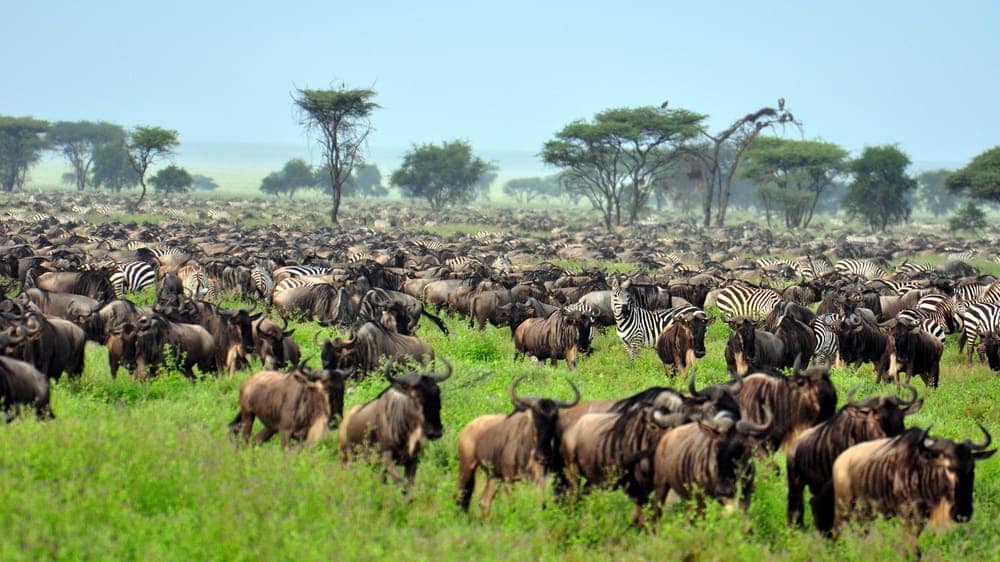
Around two million wildebeest, plus zebra and gazelle, follow fresh grass around the ecosystem in a continuous cycle. Picture a giant clock: wherever the calendar lands, the herds are at a different point on the loop.
Roughly two million wildebeest and zebra circle the Serengeti–Mara ecosystem every year, chasing the rains and fresh grass. There's no single 'migration season' — only a question of where the herds are in the cycle when you travel.
Month by month
| Months | Where | The spectacle |
|---|---|---|
| Jan–Feb | Southern Serengeti & Ndutu | Calving — thousands of births, big predator action |
| Mar–May | Central Serengeti, moving north | Massing columns; quieter green season |
| Jun–Jul | Western corridor & Grumeti | Building herds, early river drama |
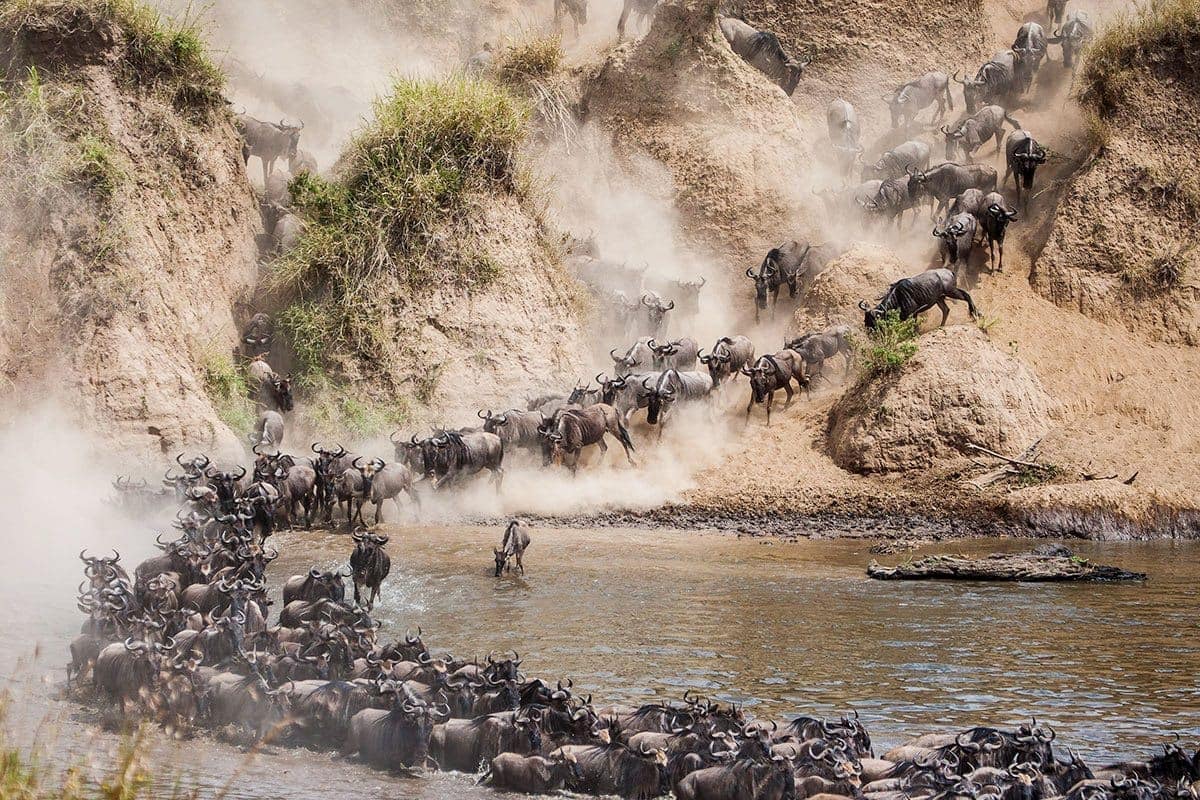
| Aug–Sep | Northern Serengeti & Mara | Mara River crossings — the iconic scenes |
| Oct–Dec | Returning south | Long columns heading back to calving grounds |
Got a question while you read? Ombeni answers personally — usually within a few hours.
See our migration safaris →Calving season (Jan–Feb)
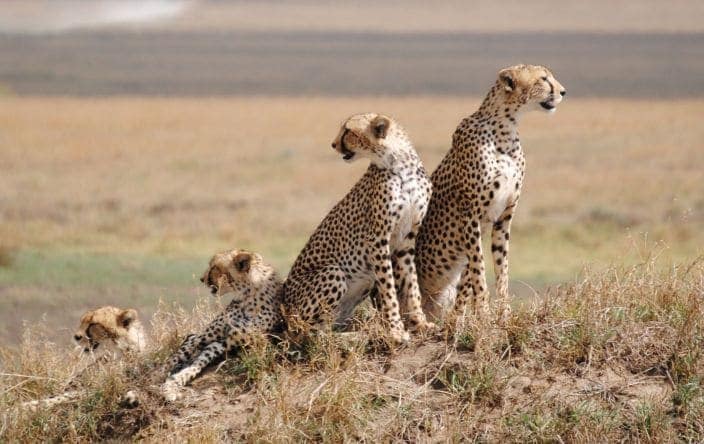
In the south, hundreds of thousands of calves are born within a few weeks. It's one of nature's great events — and because newborns draw lions, cheetah and hyena, the predator sightings are extraordinary. It's also low season, so it's quieter and better value than the crossings.
Tip
Want drama without the August crowds? Calving season (Jan–Feb) in Ndutu delivers nonstop births and predator action at a fraction of the peak-season bustle.
The Mara River crossings (Jul–Sep)
The crossings are the migration's most famous moment: huge herds plunging through crocodile-filled rivers in the north. They're unforgettable, but unpredictable and busy — you need time, patience and a bit of luck, since the herds cross when they choose. A few days in the right area maximises your chances.
Frequently Asked Questions
Ready to take the next step?
See our migration safaris →