The short answer
Tanzania is a popular, generally safe destination for tourists, with millions visiting each year. On safari and Kilimanjaro you're with professional guides throughout. As anywhere, use common-sense precautions in towns, look after valuables, follow your guide's wildlife instructions, and prepare for health risks like malaria. A reputable operator makes a big difference.
Safety is a natural concern when planning a trip to East Africa, and it deserves an honest answer rather than either scaremongering or glossing over. The short version: Tanzania is a well-trodden, welcoming destination, and the vast majority of visits are completely trouble-free. Here's a realistic look, area by area.
Plan a safe, guided trip →On safari and Kilimanjaro
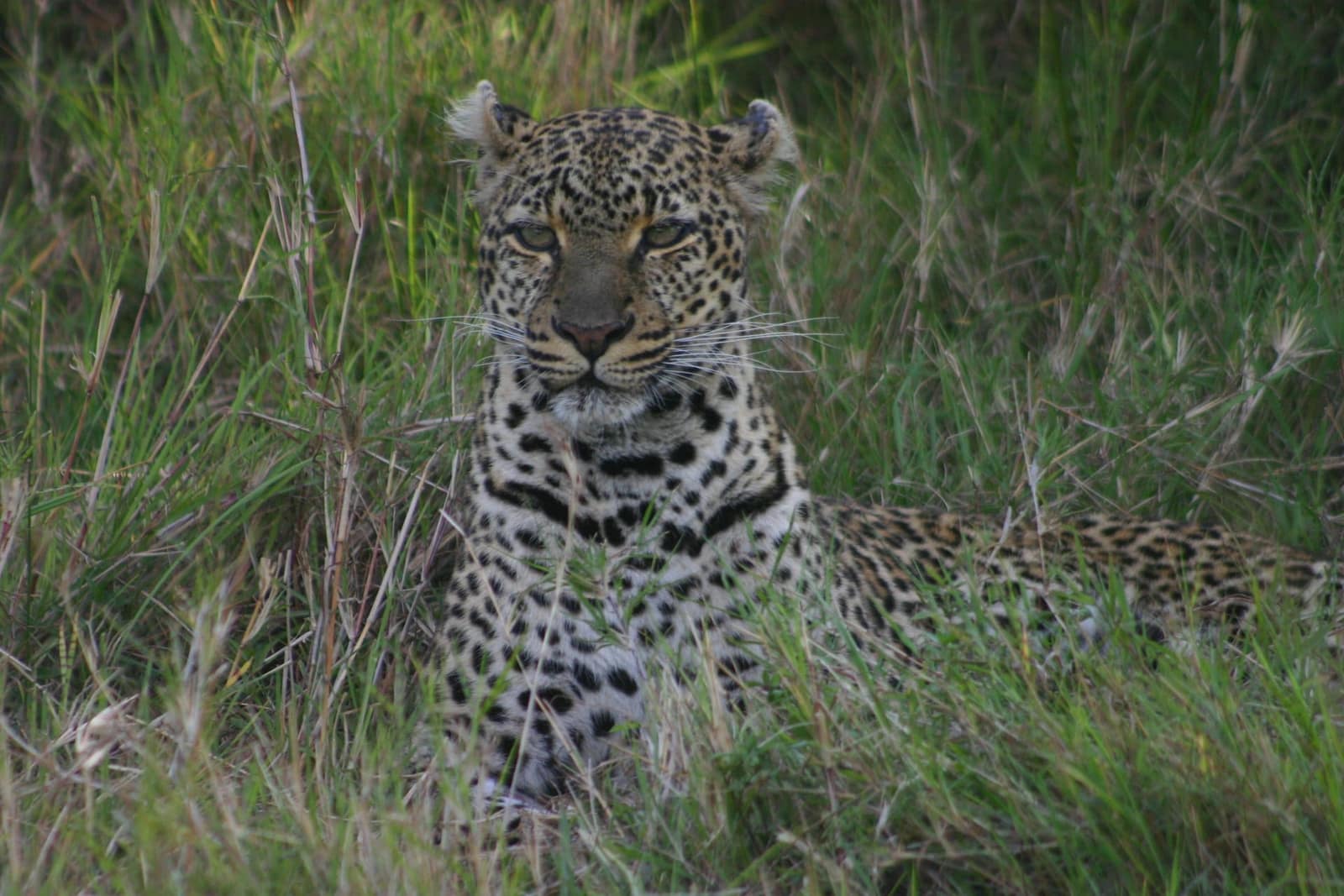
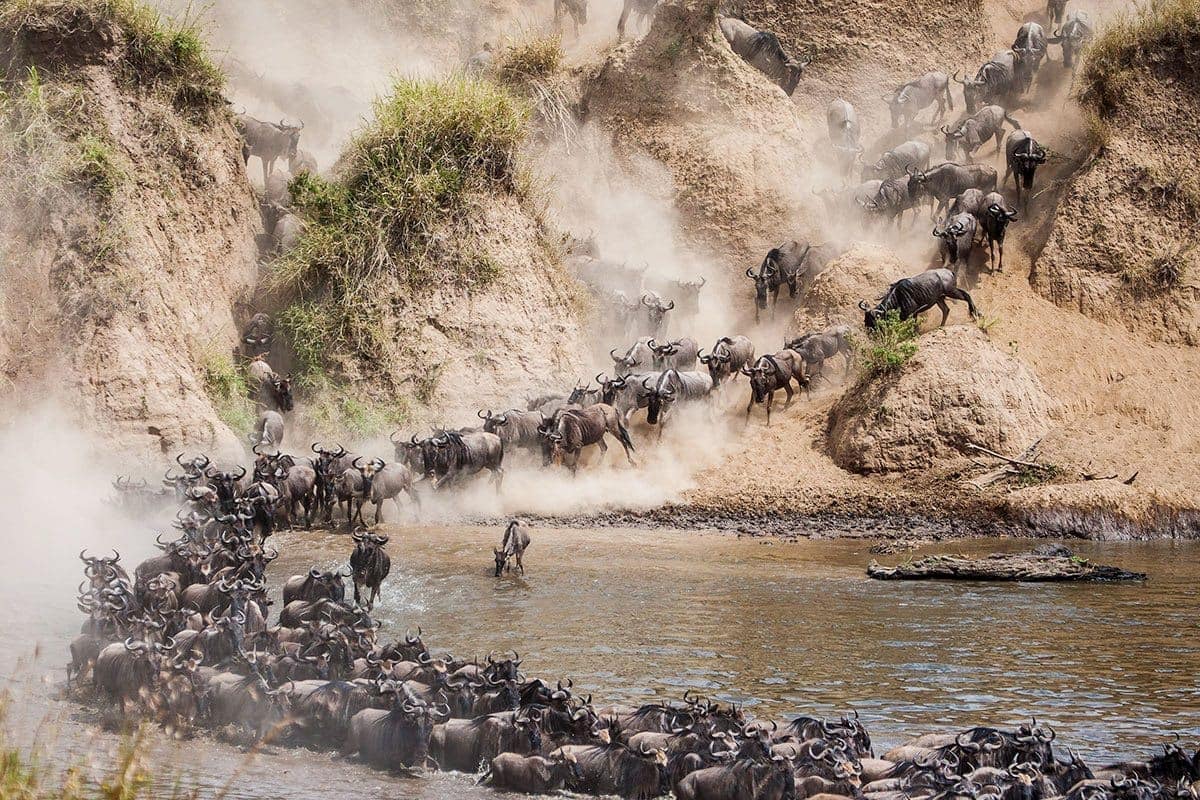
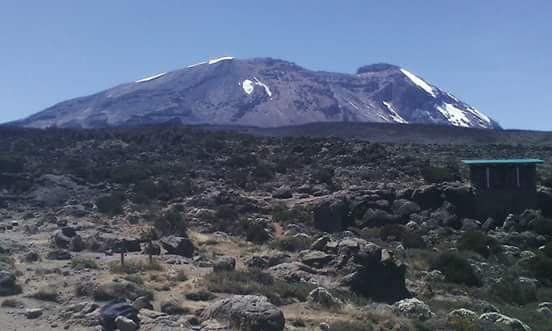
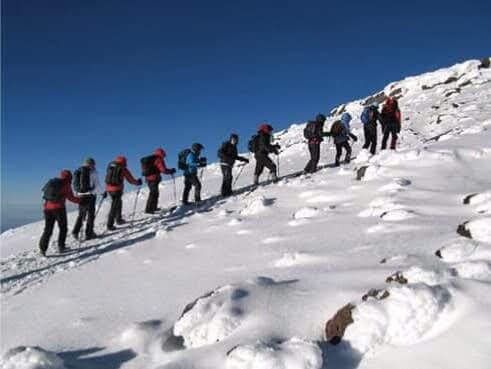
These are the safest parts of your trip, because you're with professionals the whole time. On safari you view wildlife from a vehicle with an experienced guide who knows how to keep a respectful distance. On Kilimanjaro, the main risk is altitude — managed by choosing enough days, going slowly, and climbing with a crew that does daily health checks and carries oxygen.
Tip
Wildlife is wild — the golden rule is simply to follow your guide's instructions at all times. Do that and a safari is remarkably safe.
In towns and cities
Arusha, Moshi and Stone Town are used to visitors and generally relaxed, but as in any city, petty theft can happen. Use common sense: don't flash expensive items, keep valuables in a hotel safe, use arranged transport at night, and stay aware in crowded markets. Your guide and hotel can advise on any areas to avoid.
- ›Keep passports and spare cash in the hotel safe
- ›Use your operator's transfers rather than hailing rides at night
- ›Be discreet with phones and cameras in busy public areas
- ›Dress modestly in Stone Town and other Muslim-majority areas
Health and nature
The practical risks are more about health than crime: malaria, sun and altitude. Take antimalarials, drink bottled or purified water, use sun protection, and respect the altitude on Kilimanjaro. Good travel insurance that covers your activities — including high altitude if you're climbing — is essential.
Got a question while you read? Ombeni answers personally — usually within a few hours.
Plan a safe, guided trip →Why your operator matters
A reputable, licensed operator is one of your best safety assurances — well-maintained vehicles, experienced guides, sound mountain safety procedures and reliable logistics. It's a major reason to choose carefully rather than simply going for the cheapest quote.
Frequently Asked Questions
Ready to take the next step?
Plan a safe, guided trip →