The short answer
The Ngorongoro Crater is a vast, intact volcanic caldera around 600 m deep with a 260 km² floor, home to an exceptional density of wildlife including all of the Big Five. It offers perhaps the best chance in Africa to see lion, elephant, buffalo and the rare black rhino in a single day, making it a highlight of almost every northern Tanzania safari.
If the Serengeti is about scale, the Ngorongoro Crater is about density. This collapsed volcano forms a natural amphitheatre whose grassy floor, lake and forest support an astonishing concentration of animals year-round. For many travellers, a day in the crater is the single most memorable day of their safari. Here's what to expect.
See safaris with Ngorongoro →A wildlife amphitheatre
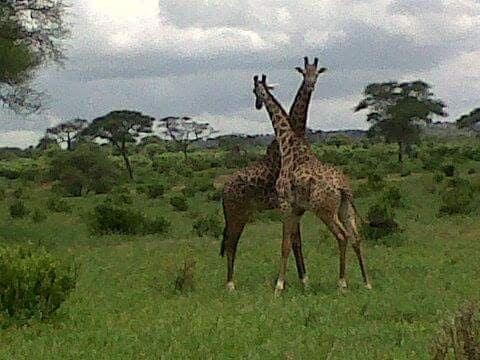
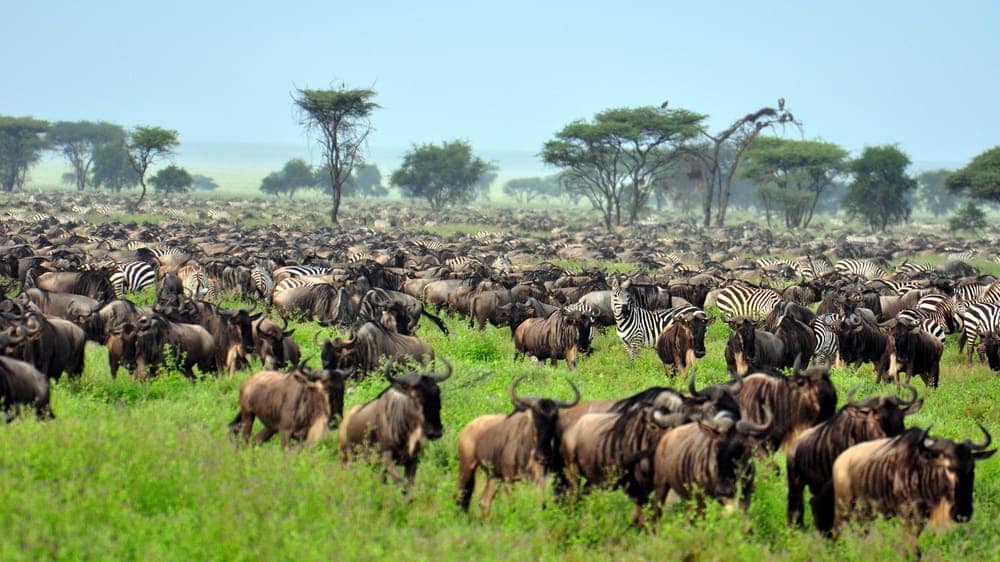
The crater is the world's largest intact volcanic caldera — roughly 600 m deep, with a floor of about 260 km². Because its walls are steep, much of the wildlife stays year-round, giving you an unusually reliable, concentrated spectacle: large lion prides, big elephant bulls, buffalo, hippo, flamingo-dotted soda lakes and the rare black rhino.
Your best shot at the Big Five
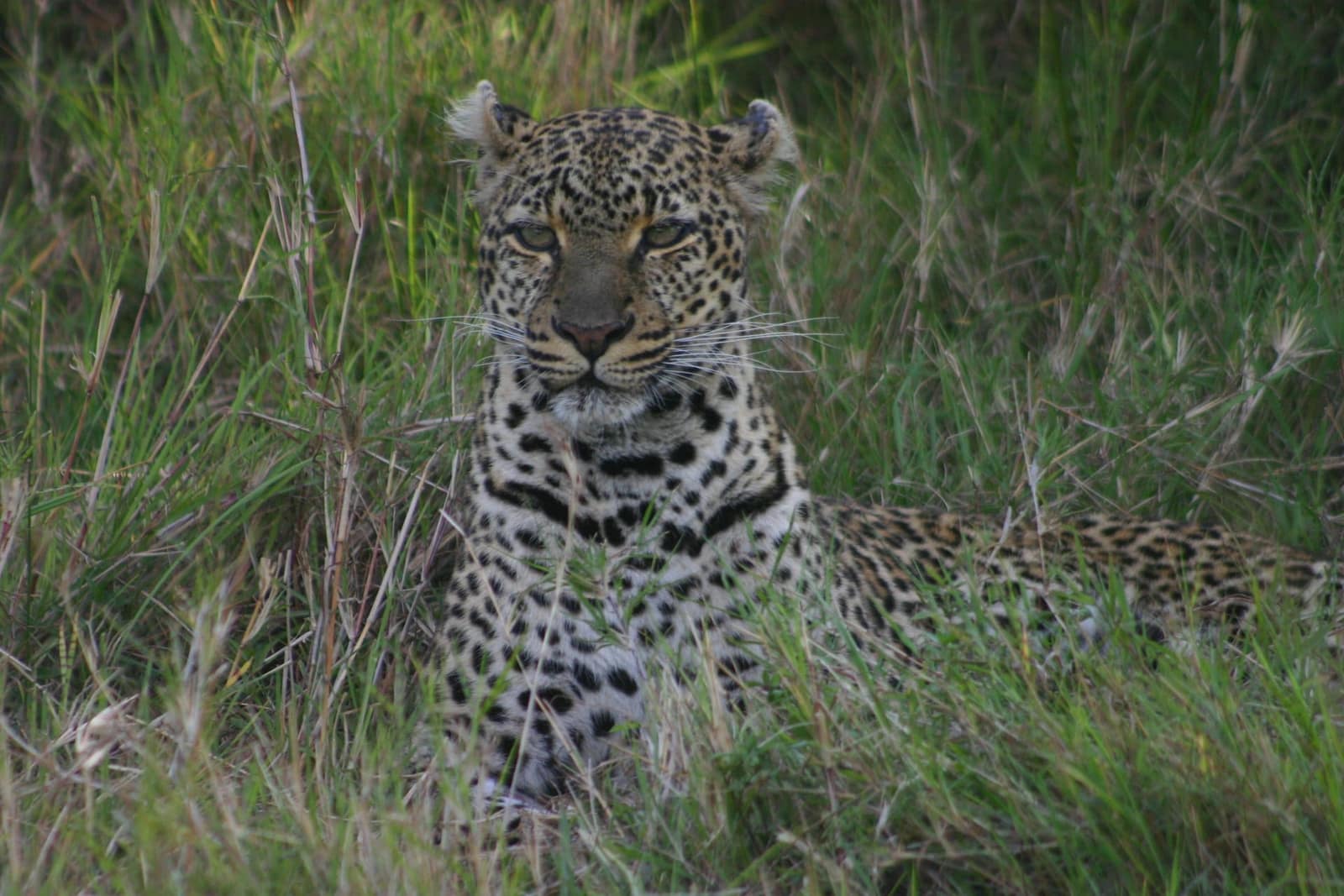
Few places offer a better chance to see all of the Big Five in one day. Lion, elephant and buffalo are common, leopard live in the rim forests, and the crater is one of the most reliable places in Tanzania to spot the critically endangered black rhino out on the floor.
Tip
Descend early. Gates open at dawn, and arriving first means soft light, active predators and the floor to yourself before the day's vehicles arrive.
How a crater visit works
You stay on the forested rim (or nearby) and descend a steep access road to the floor for a half or full day of game driving, usually with a picnic lunch by the hippo pool. Most safaris pair the crater with Tarangire and the Serengeti, as it sits right on the route between them.
Got a question while you read? Ombeni answers personally — usually within a few hours.
See safaris with Ngorongoro →More than wildlife
The wider Ngorongoro Conservation Area is unusual in that Maasai herders live and graze cattle alongside the wildlife, and nearby Olduvai Gorge is one of the most important early-human fossil sites in the world. Many safaris add a cultural visit or a stop at Olduvai on the way through.
Frequently Asked Questions
Ready to take the next step?
See safaris with Ngorongoro →