The short answer
Calving season runs roughly January to February in the southern Serengeti and Ndutu, when hundreds of thousands of wildebeest give birth within a few weeks. The abundance of newborns draws intense predator activity, making it one of the most dramatic — and least crowded — times to witness the Great Migration.
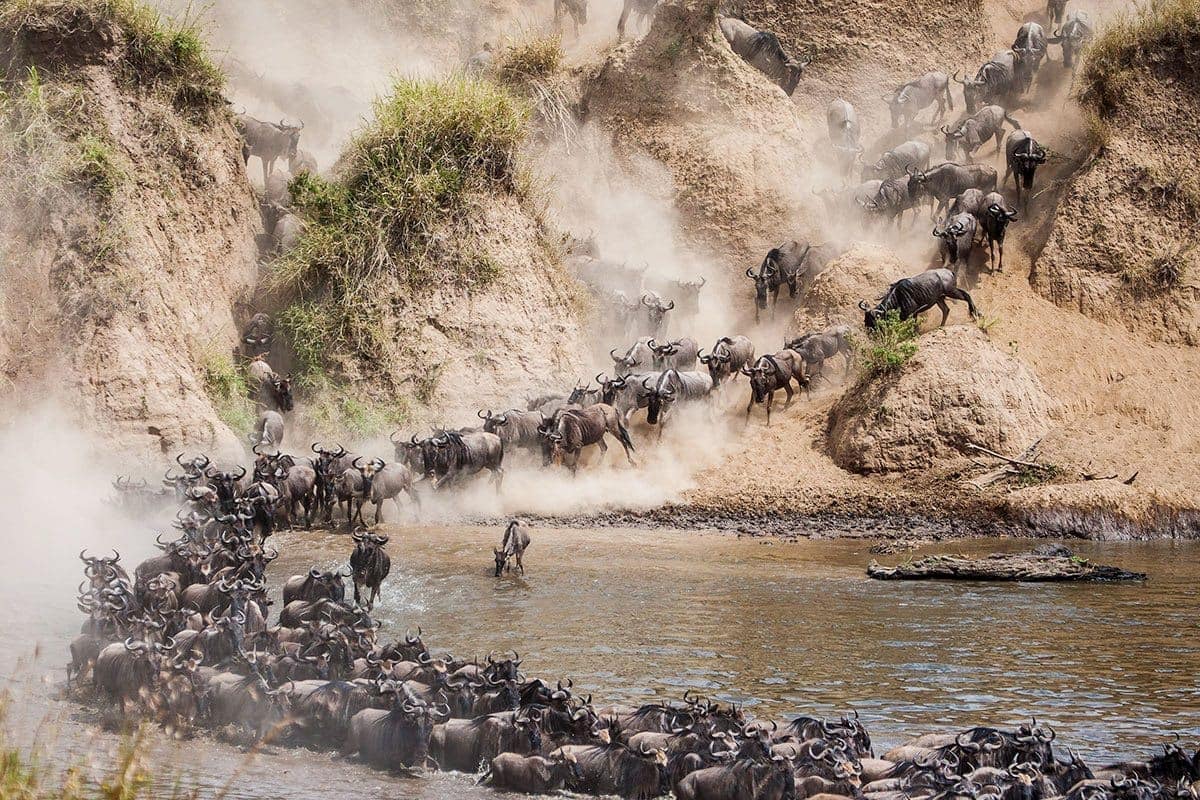
Everyone's heard of the Mara River crossings, but ask a safari guide for their secret favourite and many will say calving season. For a few weeks at the start of the year, the southern Serengeti becomes a vast nursery, and the sheer concentration of new life — and the predators it attracts — makes for some of the most extraordinary wildlife viewing anywhere. Here's why it deserves a spot on your list.
See calving-season safaris →A nursery on the plains
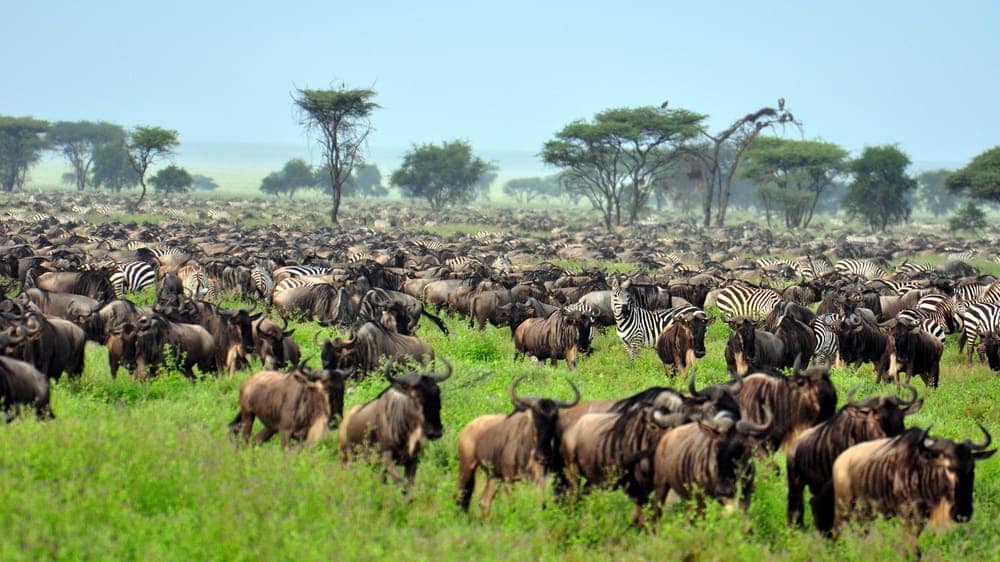
Around January and February, the herds gather on the mineral-rich short-grass plains of the southern Serengeti and Ndutu to give birth. Hundreds of thousands of calves arrive in a tight window — wildebeest can synchronise births so that the plains are suddenly full of wobbly newborns finding their feet within minutes.
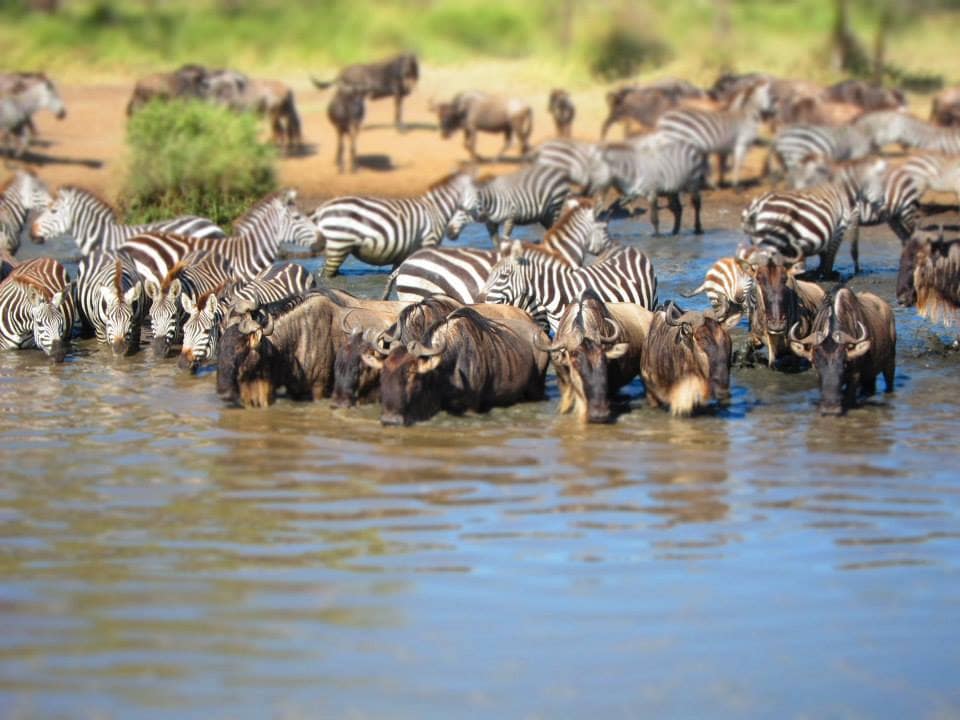
Roughly two million wildebeest and zebra circle the Serengeti–Mara ecosystem every year, chasing the rains and fresh grass. There's no single 'migration season' — only a question of where the herds are in the cycle when you travel.
Why the predators love it
All that vulnerable young prey draws lion, cheetah, hyena and more, so calving season offers some of the most concentrated predator action of the year. It's nature at its most raw and dramatic — and, because the herds are gathered on open plains, the sightings are often easier and closer than at other times.
Tip
Calving season is low season for crowds and prices but high season for drama — arguably the best-value way to see the Migration at its most intense.
Got a question while you read? Ombeni answers personally — usually within a few hours.
See calving-season safaris →Planning a calving safari
Calving is centred on Ndutu and the southern Serengeti, so your safari should be based there in January–February. Because it's the green season, the landscapes are lush and photogenic, and it pairs beautifully with the Ngorongoro Crater nearby. We run several calving-focused safaris — message us for the best dates.
Frequently Asked Questions
Ready to take the next step?
See calving-season safaris →