The short answer
The Machame Route is the most popular path up Kilimanjaro: a beautiful southern approach through rainforest, the dramatic Barranco Wall, and a strong 'climb high, sleep low' profile. Done over seven days it acclimatizes you well and has high success rates — the classic choice for a first climb.
If you picture a classic Kilimanjaro climb, you're probably picturing Machame. Nicknamed the 'Whiskey Route' for its bolder character, it's the most-trekked path on the mountain — and our most-booked climb — thanks to gorgeous scenery, a sociable trail and an acclimatization profile that gets a lot of people to the top. Here's what to expect.
View the 7-Day Machame climb →Why Machame is so popular
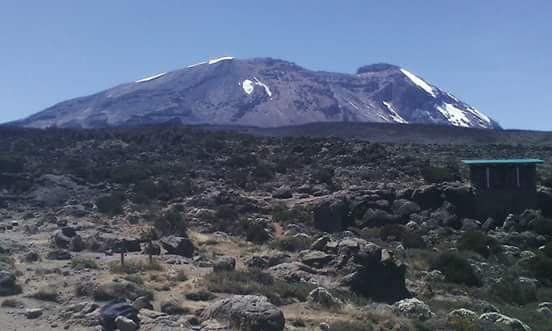
Machame earns its popularity. It approaches from the lush south, climbing through dense rainforest before opening onto the Shira Plateau and the high alpine desert beneath Kibo. The scenery is varied and dramatic — including the famous Barranco Wall, a fun, non-technical scramble that's a highlight for many climbers.
Just as important, its profile naturally follows 'climb high, sleep low', which is exactly what your body needs to acclimatize.
The trail repeatedly climbs to a high point, then drops to a lower camp to sleep. Each peak nudges your body to adapt; each lower night lets it recover — so the overall trend rises while you acclimatize.
How long it takes
Machame can be done in six or seven days, and the difference matters. The seven-day version adds a crucial acclimatization day that noticeably improves your odds and your enjoyment — it's the version we recommend and run as our flagship climb.
Tip
Choose 7-day Machame over 6-day. That single extra acclimatization day is one of the cheapest, most effective ways to boost your summit chances.
The trail, day by day
From Machame Gate you climb through rainforest to Machame Camp, then up to the Shira Plateau. The middle days take you to Lava Tower (around 4,600 m) before descending to sleep at Barranco — the textbook acclimatization move — followed by the Barranco Wall and traverses to Karanga and Barafu, the base for your summit push.
You can see the full elevation profile and every day's detail on the climb page.
- ≈ 23:30 — Leave Barafu Camp4,673 m
- Pre-dawn — Switchbacks by headtorch5,000+ m
- Sunrise — Stella Point on the crater rim5,756 m
- Morning — Uhuru Peak — the summit5,895 m
- Midday — Long descent to a lower camp↓ 3,100 m
You set off around midnight so you reach the crater rim for sunrise. It's the hardest stretch of the whole climb — cold, dark and slow — which is exactly why the extra acclimatization days matter.
Got a question while you read? Ombeni answers personally — usually within a few hours.
View the 7-Day Machame climb →Who it suits
If you'd prefer quieter trails with even better acclimatization, look at Lemosho or the Northern Circuit instead.
- ›First-time climbers wanting the classic Kilimanjaro experience
- ›Trekkers who value scenery and a lively trail
- ›Anyone comfortable sleeping in tents (Machame is camping-only)
- ›People happy to share a popular route rather than seek solitude
Frequently Asked Questions
Ready to take the next step?
View the 7-Day Machame climb →