The short answer
Tarangire is famous for its enormous elephant herds and ancient baobab trees, set along the life-giving Tarangire River. It's at its best in the dry season (June–October), when wildlife concentrates around the river, and it's far quieter than the Serengeti or Ngorongoro — making it a rewarding first or last stop on a northern safari.
Often overlooked in the rush to the Serengeti, Tarangire rewards everyone who stops. It has the highest concentration of elephants in northern Tanzania, a landscape studded with giant baobab trees, and a river that draws wildlife from miles around in the dry months — all with a fraction of the visitors. Here's why it's worth a day or two.
See safaris with Tarangire →Elephants and baobabs
Tarangire is elephant country — herds here are among the largest in Tanzania, and in the dry season you can watch dozens at a time around the river. The park's signature look comes from its ancient baobabs, the swollen 'upside-down trees' that can live for over a thousand years and give the landscape a primeval feel.
When to visit
Tarangire shines in the dry season, roughly June to October, when the Tarangire River becomes a magnet and animals concentrate around it — elephant, buffalo, zebra, wildebeest, lion and more. In the green season wildlife disperses and it's quieter, though the birdlife is superb year-round, with hundreds of species recorded.
Good to know
Tarangire makes an excellent first day of a northern safari — a gentler, quieter introduction before the bigger names, and a great place to warm up your camera.
Got a question while you read? Ombeni answers personally — usually within a few hours.
See safaris with Tarangire →What you'll see
- ›The biggest elephant herds in the region
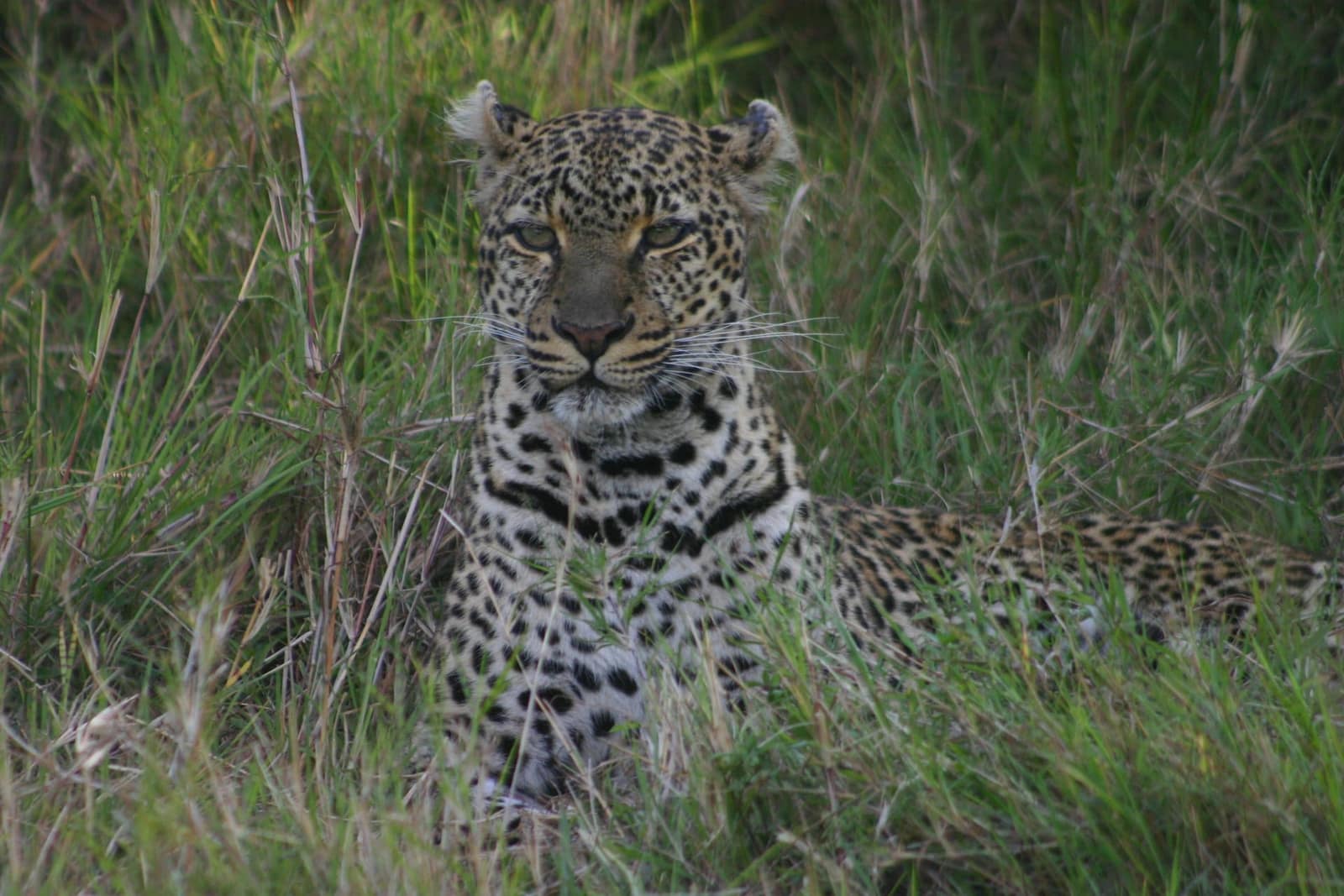
- ›Lion, and occasionally tree-climbing pythons and leopard
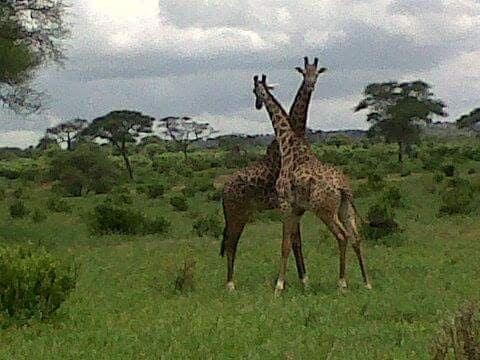
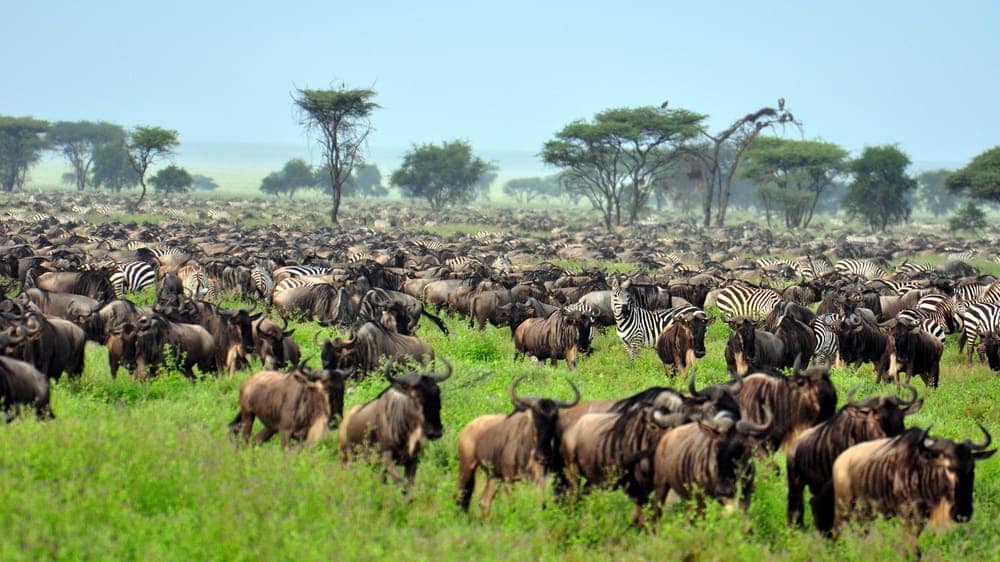
- ›Giraffe, zebra, wildebeest, eland and other plains game
- ›Outstanding birdlife — a paradise for birdwatchers
Frequently Asked Questions
Ready to take the next step?
See safaris with Tarangire →