The short answer
Tanzania, including Zanzibar, is a malaria-risk area, so protection is important: take antimalarial medication prescribed by your doctor, use insect repellent, sleep under nets and cover up at dusk. Risk is lower at Kilimanjaro's high altitude but present elsewhere. Always seek personalised medical advice before you travel.
Malaria is a real but very manageable risk in Tanzania, and it shouldn't put you off — millions visit safely every year. The key is sensible preparation: the right medication and a few simple habits to avoid mosquito bites. Here's a clear overview, though your doctor's advice always comes first.
Plan your safari →Is there malaria in Tanzania?
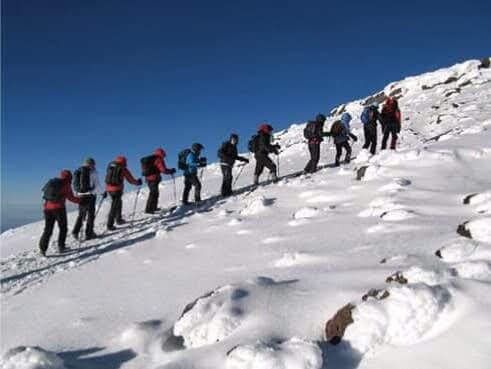
Yes. Mainland Tanzania and Zanzibar are malaria-risk areas, with mosquitoes most active between dusk and dawn. The risk is generally lower at high altitude — for example on the upper slopes of Kilimanjaro — but you should assume risk in the parks, on the coast and on Zanzibar.
Important
This is general information, not medical advice. Visit your doctor or a travel clinic four to six weeks before you travel for prophylaxis suited to you and the latest guidance.
How to protect yourself
- ›Take antimalarial tablets exactly as prescribed — before, during and after your trip
- ›Use insect repellent (DEET or equivalent) on exposed skin at dusk and after dark
- ›Wear long sleeves and trousers in the evenings
- ›Sleep under a mosquito net and/or in screened, air-conditioned rooms
- ›Consider permethrin-treated clothing for extra protection
Got a question while you read? Ombeni answers personally — usually within a few hours.
Plan your safari →Know the symptoms
Malaria symptoms — fever, chills, headache, body aches — can appear from a week after exposure up to months later, even after you've returned home. If you develop a fever during or after your trip, seek medical attention promptly and tell the doctor you've been in a malaria area. Treated early, malaria is very manageable.
Frequently Asked Questions
Ready to take the next step?
Plan your safari →